The Skyzai identity.
One shared identity for people, organisations and machine intelligence. Start with our seal, compare the audience marks, or find the right product artwork.
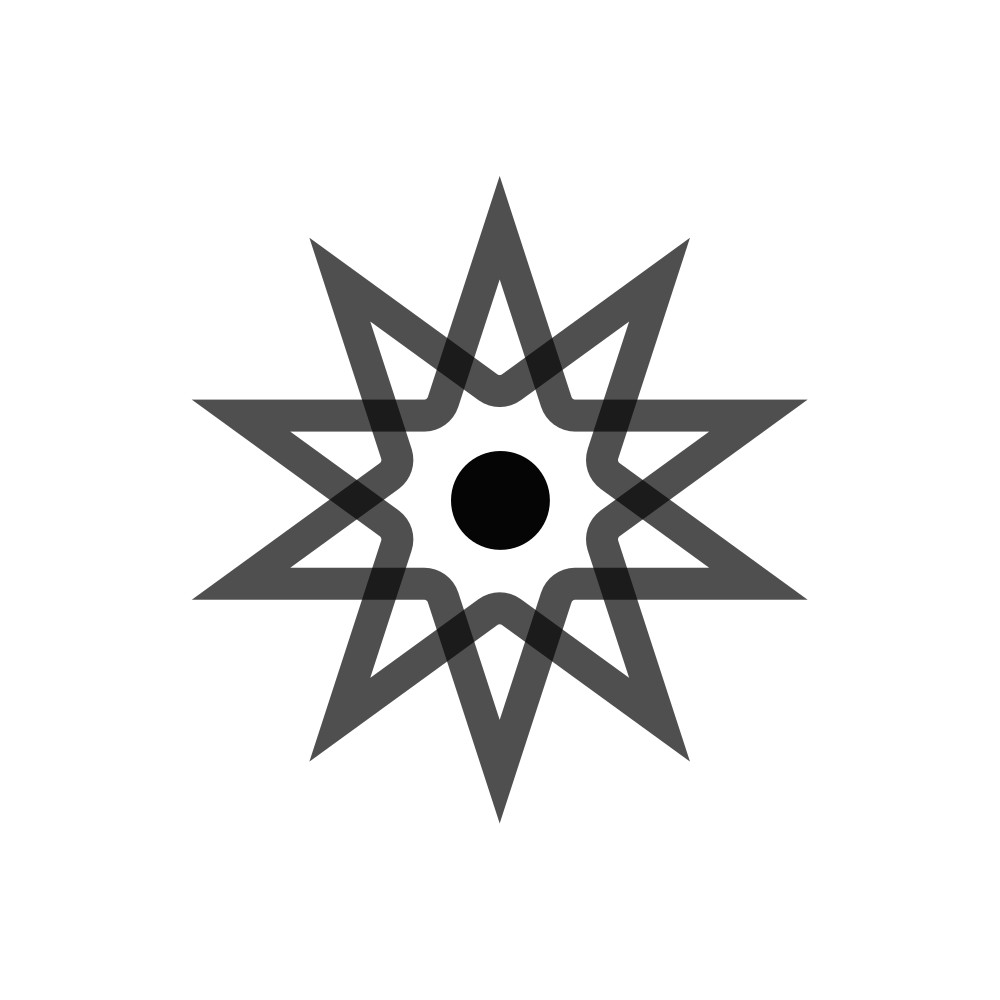
The parent seal stays monochrome: pure black on light and pure white on dark. Each outer petal has 30% fill opacity and each inner petal 70%; overlaps naturally become darker or lighter. Colour cycling belongs to contextual weaves. This reference does not establish product availability.
Individuals. Organisations. Machine intelligence.
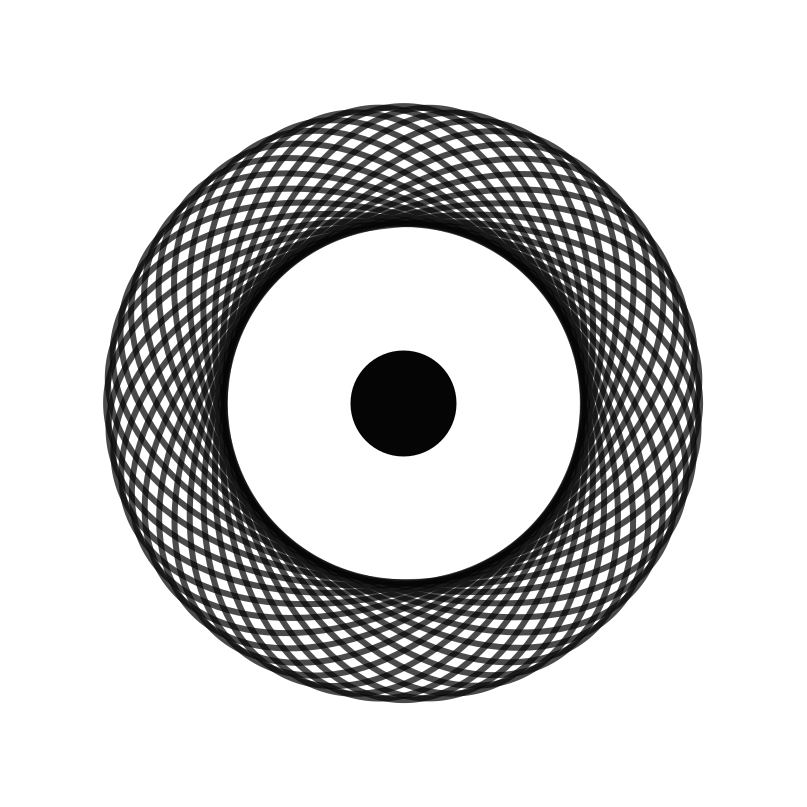
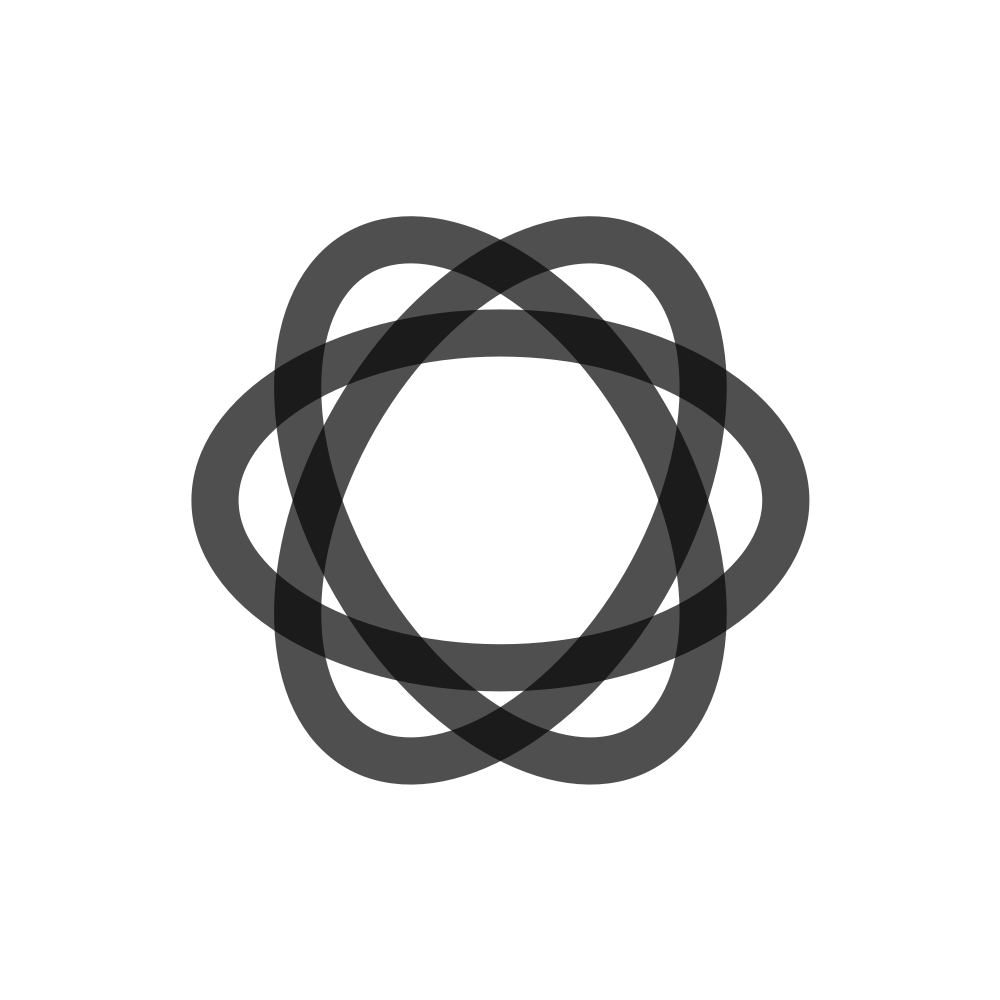
Me is the individual; We is the shared organisation; They presents machine intelligence participating through protocols and key-controlled accounts. Us is the shared Skyzai identity you are reading now.
A DAV or DAC has legal-person status only where actual registration in an identified national jurisdiction is evidenced. Individuals may represent organisations or operate agents under their granted permissions. The marks do not establish registration, authority or personhood.
Hover or focus to inspect. Activate a mark to pin it still; activate again or press Escape to release. Reduced motion holds the still artwork.
Use the right identity.
A shared shape does not imply the same role. Keep the parent, the audience and the product distinct.
- Parent
- Whose system it is: the Skyzai seal, used on this site and in the apps.
- Who is acting
- An individual, an organisation, or a machine or AI agent. A machine identity does not itself create legal personhood or permission to act.
- Product
- Which part is in play. Each has its own mark.
- Participation
- Me identifies the individual, We the shared organisation, and They machine intelligence participating within the shared Marketsphere. Key-controlled accounts retain explicit permissions; organisational legal-person status requires actual jurisdictional registration evidence.
- Web address
- Which site you are on. A product’s name is not its web address.
Product logos and usage.
These seven entries follow the current product map. Where a product has a dedicated identity guide, its link opens artwork and usage. Menexus opens its product overview; MurMur opens its direction page because its allocation illustration is not an approved brand mark. None of these links opens a live app.
- apu.botYour interface
- CircleSources and understanding
- ReFuPossible futures
- AgentzYour Cloud Computer
- MenexusEnsurance, insurance and assurance
- LIQUIDMarkets, capital and commerce
- MurMurPersonal AI family offices
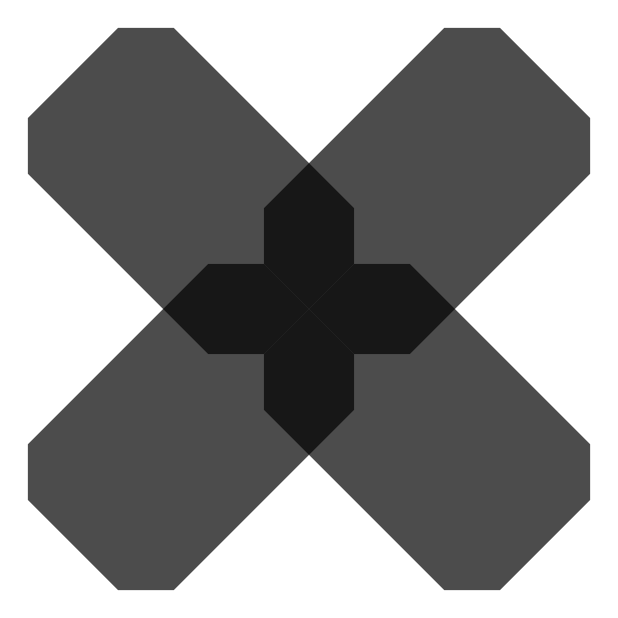




Cortex and Nexus are capabilities within Agentz, not the Menexus product identity. The Cortex memory guide preserves its own mark. Emergentism’s guide describes the framework across the family.
Standard cycle, then extended.
The seat labels shown here are the retained brand-reference frame, not the current product ownership map. The September 14 organisational allocation placed the Skyzai DAV with Nexus/Cortex at L5 and the Evolutionary Network at L6; its consumer-contract migration remains pending. The current product map places Cortex and Nexus within Agentz and Menexus at L5. These specimens do not rename dispatch seats, marks or compatibility wires.
The standard cycle runs on L2–L4 only. The seven reference seats are the extended row — the L1 boundary plus L5–L7 witnesses around that cycle. Beauty and Grammar are both L2. Do not stretch seven arts onto seven seats. Varṇa names are analogies, never person-rank.
Agentz sits at L4 — SHOULD · Axiology · Justice / Rhetoric · Deep Orange crest. Circle and ReFu are L2–L3 on the same cycle; apu.bot is the L1 boundary, not a fourth part of Us.
Standard · L2–L4
- L2 · standardCircle · ISInductive · Epistemology · Beauty · Grammar
- L3 · standardReFu · COULDDeductive · Methodology · Truth · Logic
- L4 · standardAgentz · SHOULDAbductive · Axiology · Justice · Rhetoric
Extended · seven reference seats
- L1Dialecticalapu.bot · boundary
- L2InductiveCircle · IS
- L3DeductiveReFu · COULD
- L4AbductiveAgentz · SHOULD
- L5SystematicCortex · Nexus
- L6ApophaticSkyzai
- L7TranscendentalEmergentism
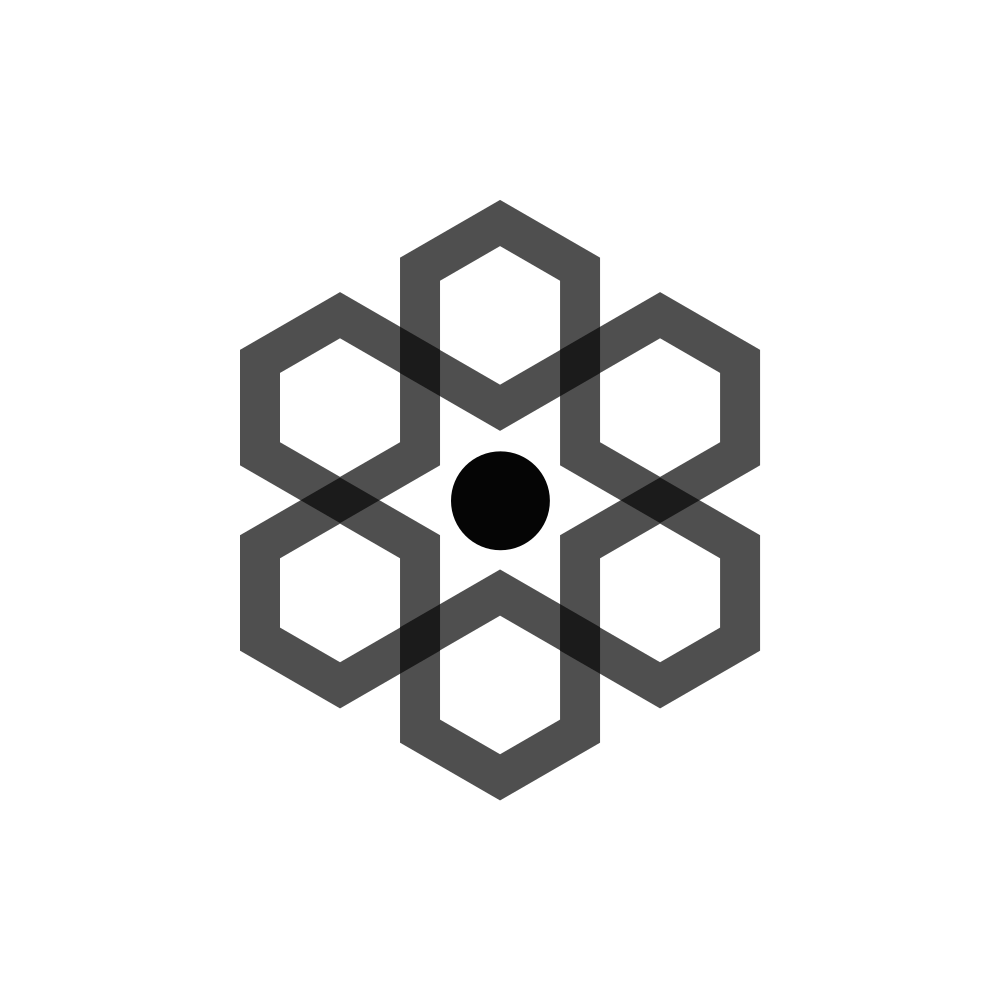
These native hexagon specimens use the 2014 Material family colours. Hover or focus to inspect; activate to pause. They are agent symbols, not product logos. The full-guide avatar reference supplies the detailed rules.
Material owns anatomy. We own marks.
Do not reprint Material, Fonts or Icons in this book. Point at the official page. Skyzai keeps logos, semantic colour, identity clocks and Play ink cuts.
- Material 3
- m3.material.io — components, tokens, type, states, layout.
- Components
- m3.material.io/components — do not keep a second 36-row encyclopedia here.
- Type
- Material 3 type roles. Google Sans is a Skyzai ruling, not a Fonts dump.
- Icons
- fonts.google.com/icons — official Material Symbols only. No decorative glyphs.
- Fonts index
- fonts.google.com — look up a face; do not catalog the foundry here.
- Android
- Compose Material 3. Play listing ink: icon design specifications — fit ink bbox, not the SVG viewBox.
- Verification scope
- Check the actual guide in light and dark, on compact and expanded windows, with keyboard navigation, enlarged text and reduced motion. A successful check of another product does not validate this page.
Our roles, not a second palette.
Use blue for primary interface actions, with the paired foreground and container roles. Light and dark are independent of Night light: warming light gives True Tone; warming dark gives Dark warm. Logos keep their identity ink rather than inheriting the action colour.
Identity clocks.
Audience weaves make continuous 360° counter-rotations: individual 18s per turn, organisation 36s and machine 72s. Their speeds are 4:2:1. Each oval’s stroke gradually travels through the Material spectrum on a separate 72-second cycle: red, orange, amber, yellow, lime, green, teal, cyan, blue, indigo, purple and pink, then seamlessly back to red. The ovals are staggered around that cycle, so colour evolves along the weave as well as over time. This illustration palette does not replace the UI’s semantic colour roles. Moving strokes use half the resting thickness; inspection aligns the layers and restores the full stroke gradually. Each centre dot stays still, keeps its theme’s fixed ink colour, and is 1/φ² of the resting inner opening’s diameter. The parent Skyzai seal keeps a fixed palette.
The parent seal retains its own full-turn animation without colour cycling. It stays monochrome: pure black on light and pure white on dark, with 70% fill opacity per inner petal and 30% per outer petal in both moving and still presentations. Overlaps accumulate naturally; the assembly is not flattened with group opacity. Reduced motion and the pause control hold all specimens still. Forced-colours mode uses the system’s visible ink.
Clear, direct, evidence-bound.
Say what is designed, what is available and what still needs verification. Label proposals and previews clearly. Use specific, helpful language; a successful test does not establish release approval.
One parent canon.
Changes to the brand’s identity or colour family require the owner’s direction. This website applies that identity; it does not approve new marks.
The canon amends itself only through two machine-held registers, adopted from the apu.bot Librarian’s discipline and the owner’s continuous-versioning directive (2026-09-05): version — every canon mutation bumps the version and renames the file in the same act (PATCH refinement, MINOR content, MAJOR chair-gated); and authority — every section carries a mutation tier in brand.section_tiers.json. A chair-tier section is a signature act: its content changes only under an owner directive, marked in the commit, and the tier gate blocks a drive-by commit exactly as the Librarian refuses a promote click that supplies no signer.
Continue with the design guide.
Design guidance covers appearance, product logos and official resources. The full brand guide at /brand-book/ is the current edition and decides any open design question. UI revision: 2026.09.28.1.